

As a supplier of low voltage servo motors, I often encounter questions from customers regarding the compatibility of these motors with high voltage power supplies. This is a crucial topic that can significantly impact the performance, safety, and longevity of the servo motors. In this blog, I will delve into the details of whether a low voltage servo motor can be connected to a high voltage power supply.
Understanding Low Voltage Servo Motors
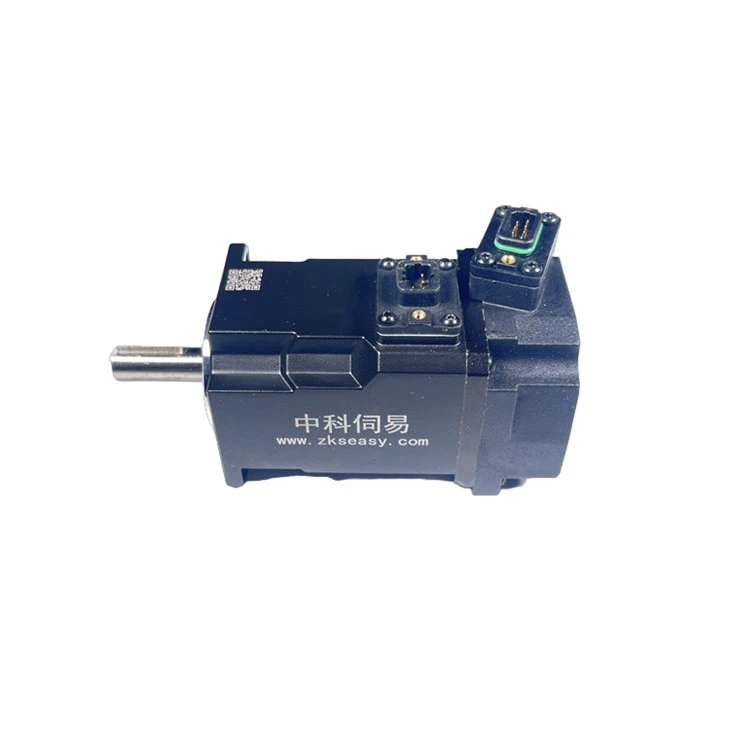
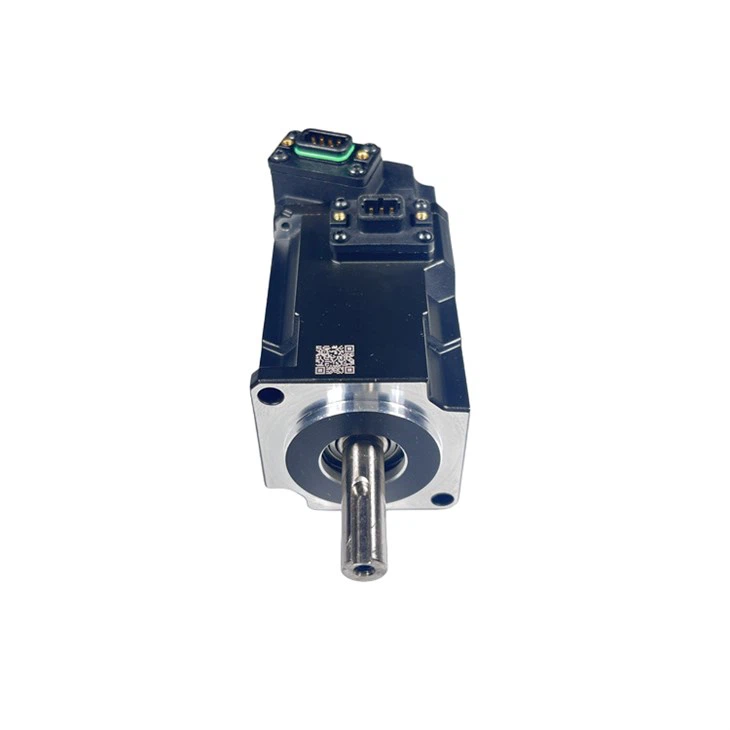
Low voltage servo motors are designed to operate within a specific voltage range, typically between 12V and 48V. These motors are widely used in various applications, including robotics, automation, and precision control systems, due to their compact size, high efficiency, and precise control capabilities. For instance, our 24 Volt Servo Motor is a popular choice for many small - scale automation projects, offering reliable performance and smooth operation.
The electrical components within low voltage servo motors, such as the windings, transistors, and control circuits, are engineered to handle the specific voltage and current levels associated with their rated voltage. The insulation materials used in the motor windings are selected based on the expected voltage stress, and the control electronics are calibrated to function optimally within the specified voltage range.
The Dangers of Connecting a Low Voltage Servo Motor to a High Voltage Power Supply
Connecting a low voltage servo motor to a high voltage power supply is extremely dangerous and can lead to several serious consequences.
Overheating and Burnout
One of the most immediate effects of applying a high voltage to a low voltage servo motor is overheating. The motor windings are designed to carry a certain amount of current at the rated voltage. When a higher voltage is applied, according to Ohm's law (V = IR, where V is voltage, I is current, and R is resistance), the current flowing through the windings will increase significantly. This excessive current will generate more heat than the motor can dissipate, causing the temperature of the windings to rise rapidly. Eventually, the insulation on the windings may melt, leading to short - circuits and permanent damage to the motor.
Damage to Control Electronics
The control electronics in a low voltage servo motor are also vulnerable to high voltage. These components, such as the integrated circuits and transistors, are designed to operate at low voltage levels. A high voltage can cause electrical breakdown in these components, leading to malfunctions or complete failure of the control system. Once the control electronics are damaged, the motor will no longer be able to operate properly, and it may lose its ability to control speed, position, or torque accurately.
Safety Risks
In addition to damaging the motor itself, connecting a low voltage servo motor to a high voltage power supply poses significant safety risks. Overheating motors can cause fires, especially in environments where flammable materials are present. Moreover, electrical arcing and short - circuits can produce sparks, which may also ignite nearby combustibles. There is also a risk of electric shock to anyone who comes into contact with the malfunctioning motor or the power supply.
Exceptions and Special Cases
In some rare cases, there may be a possibility of using a low voltage servo motor with a higher voltage power supply, but this requires careful consideration and additional components.
Using a Voltage Regulator
A voltage regulator can be used to step down the high voltage from the power supply to the appropriate level for the low voltage servo motor. A well - designed voltage regulator can maintain a stable output voltage, protecting the motor from the harmful effects of high voltage. However, this solution adds complexity and cost to the system, and the regulator must be properly sized and rated to handle the power requirements of the motor.
Custom - Built Motors
In some industrial applications, custom - built low voltage servo motors can be designed to tolerate higher voltage levels. These motors are typically more expensive and require specialized engineering. The manufacturer will use higher - quality insulation materials and more robust electrical components to withstand the increased voltage stress.
Alternatives to High Voltage Power Supply for Low Voltage Servo Motors
If you need more power for your application but still want to use a low voltage servo motor, there are several alternatives to connecting it to a high voltage power supply.
Parallel Connection
You can connect multiple low voltage servo motors in parallel to increase the overall power output. When motors are connected in parallel, the voltage across each motor remains the same as the power supply voltage, while the total current capacity is increased. This approach allows you to achieve higher power without exposing the motors to high voltage.
Using a High - Efficiency Low Voltage Power Supply
Investing in a high - efficiency low voltage power supply can provide more power to the servo motor without the need for high voltage. Modern low voltage power supplies can deliver high current at a stable voltage, ensuring that the motor operates at its best performance. For example, our 48v DC Servo Motor High Torque is paired with a carefully selected power supply to maximize its torque output and efficiency.
The Importance of Proper Motor Selection
To avoid the risks associated with mismatched voltage, it is crucial to select the right low voltage servo motor for your application. Consider the power requirements, speed, torque, and environmental conditions of your project. If you are unsure about which motor to choose, our technical support team is available to assist you. We can help you analyze your application needs and recommend the most suitable low voltage servo motor, such as our 24v 100w DC Motor, which is ideal for applications that require a balance of power and precision.
Conclusion
In conclusion, connecting a low voltage servo motor to a high voltage power supply is a bad idea that should be avoided at all costs. The potential damage to the motor, the safety risks, and the associated costs of repair or replacement far outweigh any perceived benefits. Instead, it is recommended to use the appropriate low voltage power supply or explore alternative solutions such as parallel motor connections or high - efficiency low voltage power supplies.
If you are in the market for high - quality low voltage servo motors, we are here to provide you with the best products and services. Our team of experts can offer technical advice and support to ensure that you select the right motor for your application. Whether you are working on a small DIY project or a large - scale industrial automation system, we have the right solution for you. Contact us today to start a discussion about your servo motor needs and explore the possibilities of our product range.
References
- Electric Machinery Fundamentals, Stephen J. Chapman
- Servo Motors and Industrial Control Theory, Richard P. Coughlin and Fredrick F. Driscoll