

Hey there! As a supplier of Linear DC Servo Motors, I've seen firsthand how these motors are the workhorses in so many industrial and automation setups. One of the most common questions I get from customers is, "How can I increase the lifespan of my Linear DC Servo Motor?" Well, you're in the right place! In this blog, I'll share some practical tips and tricks that can help your motor run smoothly for years to come.
Proper Installation
First things first, getting the installation right is crucial. A poorly installed motor can lead to all sorts of problems down the line. Make sure you follow the manufacturer's instructions to the letter. This includes mounting the motor correctly, ensuring proper alignment, and using the right hardware.
When mounting the motor, choose a stable and vibration-free surface. Vibrations can cause excessive wear and tear on the motor's components, leading to premature failure. Also, pay attention to the orientation of the motor. Some motors are designed to work in specific positions, and installing them incorrectly can affect their performance and lifespan.
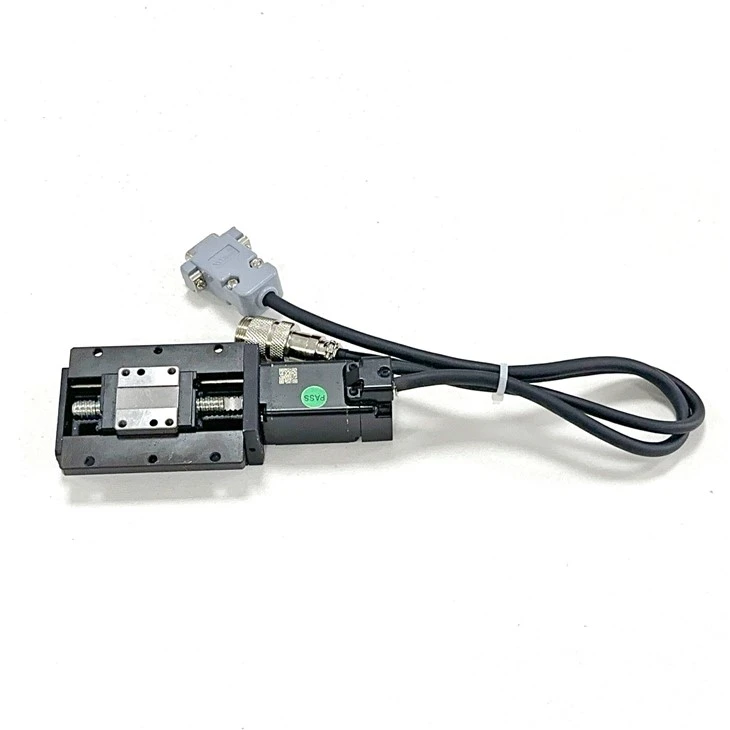

Proper alignment is another key factor. Misaligned motors can put extra stress on the bearings, shafts, and other parts, leading to increased friction and heat generation. Use alignment tools to ensure that the motor is perfectly aligned with the load. This will not only extend the motor's lifespan but also improve its efficiency.
Regular Maintenance
Just like a car, a Linear DC Servo Motor needs regular maintenance to stay in top shape. This includes cleaning, lubrication, and inspection.
Cleaning the motor regularly is important to remove dirt, dust, and debris that can accumulate on the motor's surface and inside its components. Use a soft, dry cloth to wipe down the motor, and avoid using harsh chemicals or abrasive materials that can damage the motor's finish.
Lubrication is also essential to reduce friction and wear on the motor's moving parts. Check the manufacturer's recommendations for the type and frequency of lubrication. Over-lubrication can be just as bad as under-lubrication, so make sure you use the right amount.
Inspection is another important part of maintenance. Regularly check the motor for signs of wear, damage, or overheating. Look for loose connections, frayed wires, and other issues that could cause problems. If you notice any problems, address them immediately to prevent further damage.
Proper Use and Operation
How you use and operate the motor can also have a big impact on its lifespan. Here are some tips to keep in mind:
- Avoid Overloading: Overloading the motor can cause it to overheat and wear out faster. Make sure you choose a motor with the right power and torque ratings for your application. If you need to increase the load, consider upgrading to a larger motor.
- Control the Speed and Acceleration: Rapid changes in speed and acceleration can put extra stress on the motor's components. Use a controller to regulate the speed and acceleration of the motor, and avoid sudden starts and stops.
- Monitor the Temperature: Overheating is one of the most common causes of motor failure. Use a temperature sensor to monitor the motor's temperature, and take action if it gets too hot. This could include reducing the load, increasing the ventilation, or shutting down the motor temporarily.
Quality Components and Accessories
Using high-quality components and accessories can also help extend the lifespan of your Linear DC Servo Motor. Here are some examples:
- Ball Screw Servo Motor: A Ball Screw Servo Motor uses a ball screw to convert rotary motion into linear motion. This type of motor is more efficient and precise than other types of linear motors, and it can also last longer.
- Servo Motor with Integrated Drive: A Servo Motor with Integrated Drive combines the motor and the drive into a single unit. This can simplify the installation and wiring process, and it can also reduce the risk of electrical problems.
- Ball Screw Linear Guide With Servo Motor: A Ball Screw Linear Guide With Servo Motor uses a ball screw and a linear guide to provide smooth and precise linear motion. This type of system is more durable and reliable than other types of linear motion systems, and it can also increase the lifespan of the motor.
Environmental Considerations
The environment in which the motor operates can also affect its lifespan. Here are some environmental factors to consider:
- Temperature and Humidity: Extreme temperatures and high humidity can cause the motor's components to expand and contract, leading to premature wear and failure. Make sure the motor is installed in a location with a stable temperature and humidity level.
- Dust and Debris: Dust and debris can accumulate on the motor's surface and inside its components, causing friction and wear. Use a dust cover or enclosure to protect the motor from dust and debris.
- Vibration and Shock: Vibration and shock can cause the motor's components to loosen and become damaged. Make sure the motor is installed on a stable and vibration-free surface, and use shock absorbers or vibration isolators if necessary.
Conclusion
Increasing the lifespan of a Linear DC Servo Motor requires a combination of proper installation, regular maintenance, proper use and operation, quality components and accessories, and environmental considerations. By following these tips, you can help your motor run smoothly and efficiently for years to come.
If you're in the market for a Linear DC Servo Motor or need help with maintenance and troubleshooting, don't hesitate to contact us. We're here to help you find the right motor for your application and ensure that it performs at its best.
References
- Manufacturer's manuals and specifications
- Industry standards and best practices
- Technical articles and research papers