

Hey there! As a supplier of Servo Motor Plugs, I've seen firsthand how crucial it is to optimize the layout of these plugs in a control system. It's not just about slapping them in place; it's about creating a setup that works efficiently, reduces interference, and makes maintenance a breeze. So, let's dive into how you can achieve that.
Understanding the Basics
First off, let's talk about what a servo motor plug does. It's the link between the servo motor and the rest of the control system. It transmits power, signals, and data, allowing the motor to perform its tasks accurately. But if the layout of these plugs isn't right, you can run into all sorts of problems, like signal interference, power loss, and even motor failure.
When you're planning the layout, you need to consider a few key factors. The type of servo motor you're using, the power requirements, the signal types, and the physical space available are all important. For example, high-power servo motors may require larger plugs and cables to handle the current. And if you're dealing with sensitive signals, you'll need to take steps to minimize interference.
Planning the Layout
The first step in optimizing the layout is to create a detailed plan. Start by mapping out the location of all the servo motors in your control system. Consider the distance between the motors, the control panel, and any other components. You want to keep the cables as short as possible to reduce signal loss and interference.
Next, think about the routing of the cables. Avoid running power cables and signal cables parallel to each other, as this can cause electromagnetic interference. Instead, try to keep them separated by at least a few inches. You can also use shielded cables to further reduce interference.
Another important consideration is the accessibility of the plugs. You'll need to be able to easily connect and disconnect the plugs for maintenance and troubleshooting. Make sure there's enough space around the plugs to allow for easy access.
Choosing the Right Plugs
As a Servo Motor Plug supplier, I know that choosing the right plugs is crucial. You need to select plugs that are compatible with your servo motors and control system. Consider the voltage, current, and signal requirements of your application. You'll also want to choose plugs that are durable and reliable.
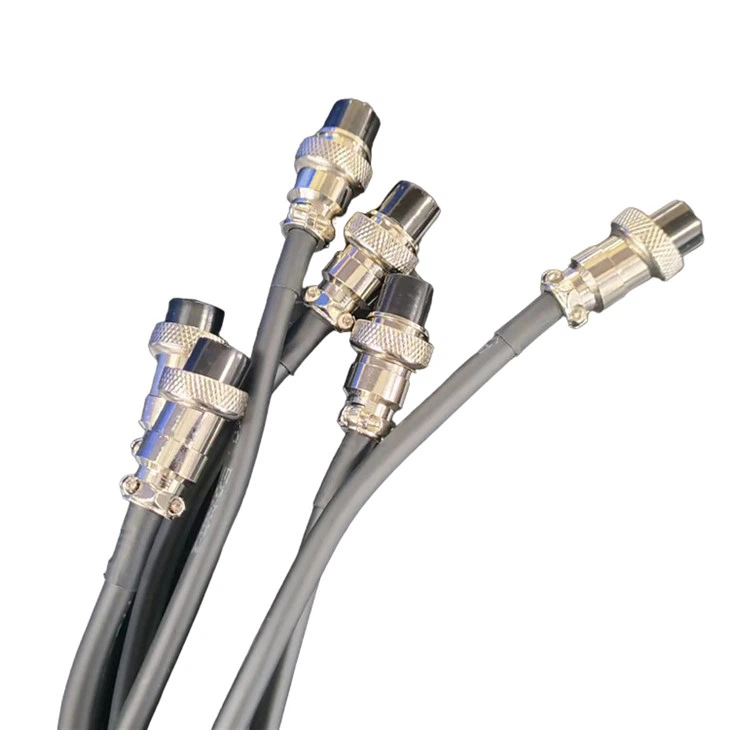
There are several types of servo motor plugs available, including circular plugs, rectangular plugs, and modular plugs. Each type has its own advantages and disadvantages. Circular plugs are often used for high-power applications, as they can handle large currents. Rectangular plugs are more commonly used for signal transmission, as they offer a more compact design. Modular plugs are versatile and can be easily customized to meet your specific needs.
When choosing plugs, it's also important to consider the mating connectors. Make sure the plugs and connectors are compatible and provide a secure connection. Loose connections can cause signal loss and interference, so it's important to choose high-quality connectors.

Installing the Plugs
Once you've chosen the right plugs, it's time to install them. Start by carefully preparing the cables. Strip the insulation from the ends of the cables and attach the appropriate terminals to the wires. Make sure the terminals are securely crimped or soldered to the wires.
Next, insert the cables into the plugs and tighten the locking mechanisms. Make sure the plugs are properly seated and that the connections are secure. You can use a multimeter to test the connections and ensure that there's no continuity issues.
When installing the plugs, it's important to follow the manufacturer's instructions. Some plugs may require special tools or techniques for installation. Make sure you have the necessary tools and equipment on hand before you start.
Testing and Troubleshooting
After installing the plugs, it's important to test the system to ensure that everything is working properly. Start by powering on the control system and checking the operation of the servo motors. Make sure the motors are running smoothly and that the signals are being transmitted correctly.
If you encounter any problems, such as motor failure or signal interference, you'll need to troubleshoot the issue. Start by checking the connections to make sure they're secure. You can also use a multimeter to test the voltage and current at various points in the system.
If the problem persists, you may need to replace the plugs or cables. Make sure you use high-quality replacement parts to ensure the reliability of the system.
Conclusion
Optimizing the layout of servo motor plugs in a control system is essential for ensuring the efficient and reliable operation of the system. By understanding the basics, planning the layout, choosing the right plugs, installing them correctly, and testing and troubleshooting the system, you can create a setup that works smoothly and minimizes the risk of problems.
If you're looking for high-quality Servo Motor Plugs, Servo Motor Plug we've got you covered. We also offer Servo Motor Power Cable and Servo Motor Extension Cable to meet all your servo motor needs. If you have any questions or need help with your servo motor plug layout, don't hesitate to reach out. We're here to help you optimize your control system and keep your motors running smoothly.
References
- "Servo Motor Handbook" by Peter C. Sen.
- "Control Systems Engineering" by Norman S. Nise.
- Manufacturer's specifications for servo motors and plugs.