

As a supplier of low power servo motors, I understand the importance of ensuring the quality and performance of these motors through proper testing. In this blog post, I'll share with you how to test a low power servo motor, covering various aspects from basic checks to advanced performance evaluations.
Initial Visual Inspection
Before conducting any electrical or mechanical tests, a visual inspection is essential. Start by examining the physical appearance of the servo motor. Check for any signs of damage, such as cracks in the housing, bent shafts, or loose wires. A damaged motor can pose significant risks during operation and may not perform as expected. Make sure all the mounting holes are clean and undamaged, as proper mounting is crucial for the motor's stability and performance.
Checking Electrical Connections
Once the visual inspection is complete, it's time to focus on the electrical connections. Low power servo motors typically have a power cable, control wires, and sometimes feedback cables. Ensure that all the connections are secure and free from corrosion. Loose or corroded connections can lead to poor electrical conductivity, which may cause the motor to malfunction or even fail.
Use a multimeter to measure the resistance of the motor windings. For a healthy low power servo motor, the resistance values should be within the specified range provided by the manufacturer. If the resistance is too high or too low, it could indicate a problem with the windings, such as an open circuit or a short circuit.
Powering Up the Motor
After confirming the electrical connections and winding resistance, it's time to power up the motor. Connect the motor to a suitable power supply, making sure to observe the correct polarity. Most low power servo motors operate on DC power, and it's crucial to provide the correct voltage and current as specified in the motor's datasheet.
When powering up the motor for the first time, start with a low voltage and gradually increase it while monitoring the motor's behavior. Listen for any abnormal noises, such as grinding or rattling, which could indicate mechanical problems. Also, check for any signs of overheating, as excessive heat can damage the motor's components.
Testing the Motor's Movement
Once the motor is powered up, it's time to test its movement. Most low power servo motors are designed to rotate within a specific angle range. Use a servo controller or a suitable control circuit to send control signals to the motor and observe its response.
The motor should start moving smoothly and accurately in response to the control signals. Check if the motor can reach the specified maximum and minimum angles without any issues. If the motor fails to move or moves erratically, there could be a problem with the control signals, the motor's internal control circuitry, or the mechanical components.
Evaluating the Motor's Torque
Torque is an important parameter for low power servo motors, especially in applications where the motor needs to drive a load. To evaluate the motor's torque, you can use a torque sensor or a simple mechanical test setup.
One way to test the motor's torque is to attach a known load to the motor shaft and gradually increase the load until the motor can no longer rotate. Measure the maximum load that the motor can handle, and compare it with the torque rating specified by the manufacturer. If the motor's actual torque is significantly lower than the rated torque, it could indicate a problem with the motor's design, manufacturing, or internal components.
Measuring the Motor's Speed
The speed of a low power servo motor is another critical performance parameter. You can use a tachometer or a speed sensor to measure the motor's rotational speed. Send different control signals to the motor to vary its speed, and record the corresponding speed values.
Compare the measured speed values with the speed range specified in the motor's datasheet. The motor should be able to achieve the specified maximum and minimum speeds accurately and maintain a stable speed under different operating conditions. If the motor's speed is inconsistent or does not match the specified range, there could be a problem with the motor's control system or the power supply.
Testing the Motor's Feedback System
Many low power servo motors are equipped with a feedback system, such as an encoder or a potentiometer, to provide information about the motor's position, speed, or torque. Testing the feedback system is crucial to ensure the motor's accurate and reliable operation.
Use a suitable test equipment to check the output signals of the feedback system. The signals should be stable and proportional to the motor's actual position, speed, or torque. If the feedback signals are noisy, inconsistent, or do not match the expected values, there could be a problem with the feedback sensor or the wiring.
Long - Term Testing
In addition to the above - mentioned tests, long - term testing is also necessary to evaluate the motor's reliability and durability. Run the motor continuously for an extended period, such as several hours or days, under normal operating conditions. Monitor the motor's performance, including its speed, torque, temperature, and power consumption, at regular intervals.
During the long - term testing, check for any signs of wear and tear, such as increased noise, decreased performance, or overheating. If any problems are detected, stop the test immediately and investigate the cause. Long - term testing can help identify potential issues that may not be apparent during short - term tests.
Our Low - Power Servo Motor Products
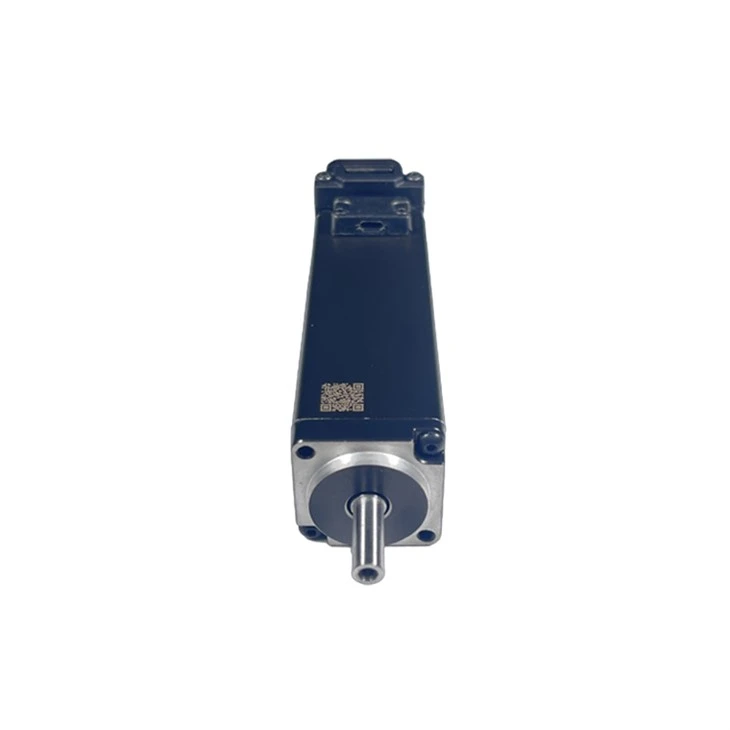
As a supplier, we offer a wide range of low power servo motors to meet different customer needs. Our Servo Motor 50w is a high - performance motor suitable for various applications that require moderate power. It features high torque, accurate control, and reliable operation.
For applications with lower power requirements, our 10 Watt DC Motor is an excellent choice. It is compact, energy - efficient, and easy to install.
We are also developing 3 Watt DC Motor(Products Under Development), which will provide an even lower power option for customers who need ultra - low power consumption.

Conclusion
Testing a low power servo motor is a comprehensive process that involves visual inspection, electrical checks, movement evaluation, torque and speed measurement, feedback system testing, and long - term testing. By following these testing procedures, you can ensure the quality and performance of the motor, and identify any potential issues before they cause problems in your applications.
If you are interested in our low power servo motor products or have any questions about motor testing, please feel free to contact us for further discussion and procurement negotiation. We are committed to providing high - quality products and excellent customer service.
References
- Servo motor datasheets from various manufacturers
- Electrical engineering textbooks on motor testing and evaluation
- Industry standards and guidelines for servo motor testing