

When it comes to selecting a motor for a small mixer, there are several factors to consider. As a supplier of 400w 220v motors, I've encountered numerous inquiries regarding the suitability of our motors for small mixers. In this blog post, I'll delve into the key aspects to help you determine if a 400w 220v motor is the right choice for your small mixer.
Power Requirements
The power of a motor is a crucial factor in determining its suitability for a mixer. A 400w motor provides a certain amount of energy to drive the mixing process. For small mixers, the power requirement depends on the type of materials to be mixed and the volume of the mixing chamber.
If you're using the mixer for light - duty tasks such as mixing small batches of cake batter, whipped cream, or a small amount of paint, a 400w 220v motor is likely to be more than sufficient. These tasks don't demand a high - power motor as the resistance offered by the materials is relatively low. The motor can easily handle the load and operate smoothly without overheating or stalling.
However, if you plan to mix thicker and more viscous substances like heavy dough for large - batch bread making or thick plaster, a 400w motor might struggle. These materials require more torque to be moved and mixed effectively. Torque is the rotational force that the motor can generate, and while power is related to torque and speed, a higher - torque motor is often needed for heavy - duty mixing. In such cases, you may need to consider a more powerful motor.
Voltage Compatibility
The 220v voltage is a common standard in many regions around the world. A 400w 220v motor is designed to operate within this voltage range. When choosing a motor for your small mixer, it's essential to ensure that your power supply matches the motor's voltage requirements. Using a motor with an incompatible voltage can lead to various problems.
If the voltage is too low, the motor may not be able to reach its full power output. It might run at a slower speed, and the mixing process will be less efficient. In some cases, the motor may even stall under load. On the other hand, if the voltage is too high, it can cause the motor to overheat, potentially damaging the windings and reducing the motor's lifespan. Since most household and small - business electrical systems in many areas provide 220v, a 400w 220v motor offers good compatibility.
Speed and Control
The speed of the motor is another important consideration. A 400w 220v motor can typically achieve a decent range of speeds, which is beneficial for different mixing tasks. For example, when making a delicate custard, you may want a slower speed to prevent splashing and ensure a smooth texture. In contrast, when mixing a simple salad dressing, a higher speed can quickly blend the ingredients together.
Many modern motors come with speed control options. This allows you to adjust the speed according to your specific needs. As a supplier, we offer motors with variable speed controls that can be easily integrated into small mixers. This flexibility makes the 400w 220v motor a versatile choice for various mixing applications.
Size and Installation
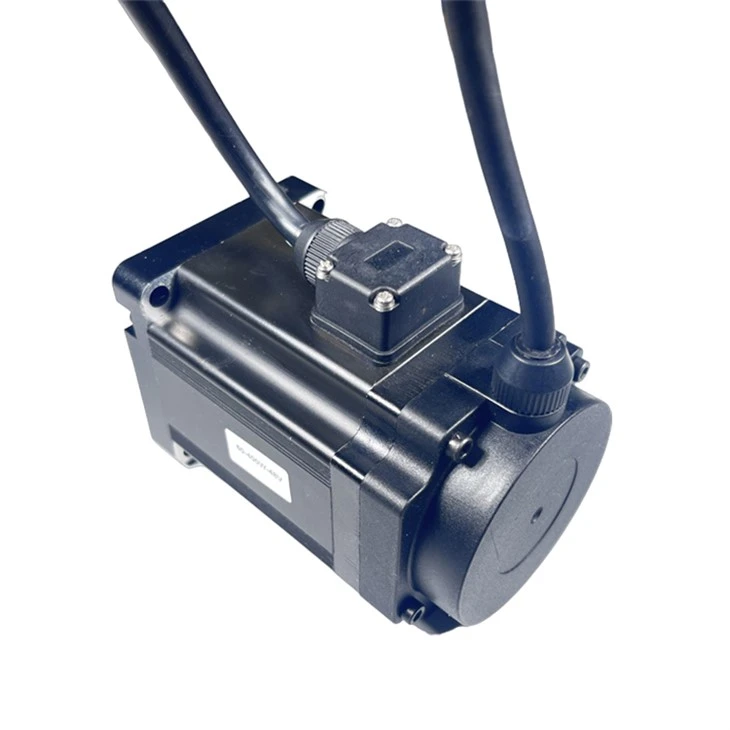
Small mixers usually have limited space for motor installation. A 400w 220v motor is generally compact in size, making it suitable for installation in small - scale mixers. Its relatively small footprint means that it can be easily incorporated into the design of the mixer without taking up too much space.
When it comes to installation, our motors are designed with ease of use in mind. They come with standard mounting holes and connections, making it straightforward for manufacturers or DIY enthusiasts to install them into their mixers. This simplicity in installation reduces the time and effort required for the assembly process.

Comparison with Other Motors
To better understand the suitability of a 400w 220v motor for a small mixer, let's compare it with some other common motors.
A 100 Watt AC Motor is significantly less powerful. While it may be suitable for the most basic and light - duty mixing tasks, it lacks the power to handle more substantial loads. For instance, if you try to use a 100w motor for mixing a medium - sized batch of cookie dough, it may overheat quickly or simply not be able to turn the mixing blades.
The Motor 200w 220v offers more power than the 100w motor but is still less powerful than the 400w motor. It can handle a wider range of mixing tasks compared to the 100w motor, but for more demanding applications, it may fall short.
The AC Servo Motor 200w is a type of motor known for its precise speed control and high - torque capabilities at low speeds. While it can be a good option for some small - mixer applications that require precise control, the 400w 220v motor provides more power overall, which can be an advantage for mixing larger volumes or more viscous materials.
Cost - Efficiency
Cost is always a consideration when purchasing a motor for a small mixer. A 400w 220v motor offers a good balance between performance and cost. It is generally more affordable than high - power industrial motors, while still providing enough power for most small - scale mixing needs.
When you factor in the long - term operation, a 400w motor is energy - efficient for small - mixer applications. It consumes a reasonable amount of electricity while delivering the required performance. This means that you can save on energy costs over time compared to using a more powerful motor than you actually need.
Conclusion
In conclusion, a 400w 220v motor can be a suitable choice for a small mixer in many cases. It offers sufficient power for light - to medium - duty mixing tasks, has good voltage compatibility, provides a decent range of speeds, is compact in size, and is cost - efficient. However, for heavy - duty and high - volume mixing, you may need to explore more powerful motor options.
If you're in the process of selecting a motor for your small mixer or have any questions about our 400w 220v motors, I encourage you to reach out to us for more information. We're here to assist you in making the right choice for your specific mixing requirements. Contact us to start a procurement discussion and find the best motor solution for your small mixer.
References
- "Electric Motors: Principles, Types, and Applications" by Robert H. Bishop
- "Handbook of Small Electric Motors" by Eric J. Walters