

When it comes to high - speed applications, the choice of a servo motor is crucial. As a low - voltage servo motor supplier, I've witnessed firsthand the increasing demand for low - voltage servo motors in various high - speed scenarios. However, these motors also face several challenges in high - speed applications. In this blog, I'll delve into these challenges and provide insights based on my experience in the industry.
Heat Generation
One of the most significant challenges of using a low - voltage servo motor in a high - speed application is heat generation. Low - voltage servo motors typically have a smaller size and lower power capacity compared to high - voltage counterparts. When operating at high speeds, the motor has to work harder to maintain the required torque and speed, which leads to increased power dissipation in the form of heat.
The heat generated can have several negative impacts on the motor. Firstly, it can reduce the efficiency of the motor. As the temperature rises, the resistance of the motor's windings increases, which in turn causes more power to be dissipated as heat rather than being converted into mechanical energy. This not only wastes energy but also reduces the overall performance of the motor.
Secondly, excessive heat can damage the motor's insulation. The insulation materials used in the motor are designed to withstand a certain temperature range. If the temperature exceeds this range, the insulation can break down, leading to short - circuits and potentially permanent damage to the motor.
To mitigate the issue of heat generation, proper cooling mechanisms need to be implemented. For example, fans can be used to increase the airflow around the motor, which helps to dissipate the heat more effectively. Another option is to use heat sinks, which are designed to absorb and transfer the heat away from the motor. At our company, we offer 24v DC Servo Motor High Torque models with built - in cooling features to address this challenge.
Torque Limitations
Low - voltage servo motors often have torque limitations in high - speed applications. Torque is the rotational force that the motor can generate, and it is essential for maintaining the required speed and acceleration in a high - speed system.
In high - speed applications, the motor needs to be able to provide sufficient torque to overcome the inertia of the load and any external forces acting on it. However, low - voltage motors typically have a lower maximum torque output compared to high - voltage motors. This means that in high - speed scenarios, they may struggle to provide the necessary torque, resulting in a loss of speed or even stalling.
The torque - speed characteristics of a low - voltage servo motor are also a factor. As the speed of the motor increases, the available torque typically decreases. This is known as the speed - torque curve. In high - speed applications, the motor may operate at a point on the curve where the available torque is insufficient for the task at hand.
To address the torque limitations, it is important to carefully select the motor based on the specific requirements of the application. Our 48v DC Servo Motor High Torque models are designed to provide a higher torque output compared to standard low - voltage motors, making them more suitable for high - speed applications with demanding torque requirements.
Control Complexity
Controlling a low - voltage servo motor in a high - speed application can be complex. High - speed applications often require precise control of the motor's speed, position, and torque. However, low - voltage motors can be more difficult to control accurately due to their lower power and the presence of electrical noise.
Electrical noise can interfere with the control signals sent to the motor, causing inaccuracies in the motor's operation. This can result in issues such as speed fluctuations, position errors, and inconsistent torque output. To reduce the impact of electrical noise, proper shielding and filtering techniques need to be employed.
In addition, the control algorithms used for low - voltage servo motors need to be carefully designed to account for their unique characteristics. For example, the control system needs to be able to adjust the motor's input voltage and current in real - time to maintain the desired speed and torque. This requires a high - performance control board and sophisticated control software.

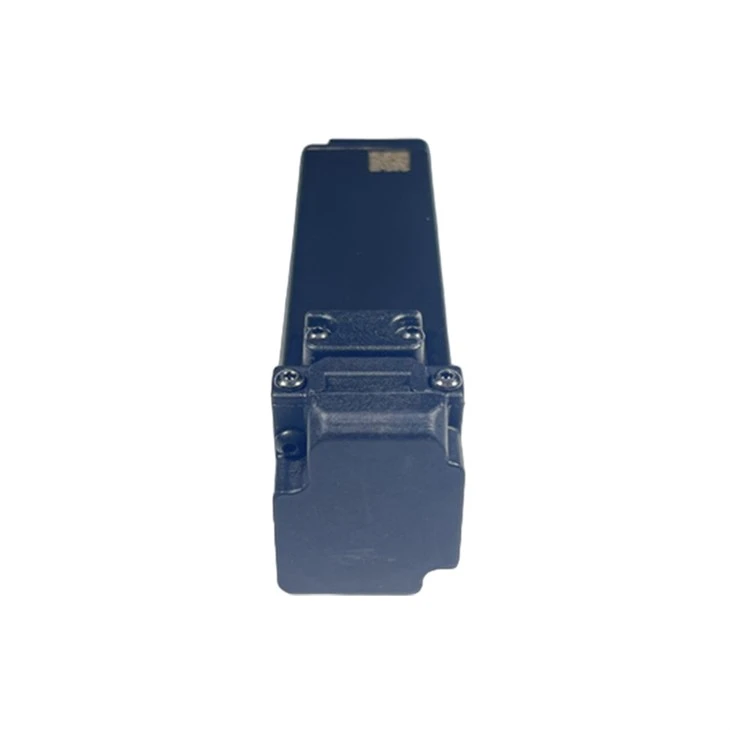
At our company, we provide comprehensive support for motor control. Our 24v 50w DC Motor comes with advanced control features and can be easily integrated with our control systems, which are designed to provide precise and reliable control in high - speed applications.
Power Supply Requirements
Low - voltage servo motors have specific power supply requirements, and these can pose challenges in high - speed applications. In high - speed scenarios, the motor may require a higher current to maintain the desired speed and torque. However, low - voltage power supplies may have limitations in terms of their current - delivering capacity.
If the power supply cannot provide enough current, the motor may experience voltage drops, which can lead to a decrease in performance. Voltage drops can cause the motor to lose speed, reduce torque output, and even overheat.
To ensure a stable power supply, it is important to select a power supply that can meet the motor's requirements. This may involve using a power supply with a higher current rating or implementing a power management system to regulate the power supply.
Mechanical Wear and Tear
High - speed operation can also lead to increased mechanical wear and tear on low - voltage servo motors. The moving parts of the motor, such as the bearings and gears, are subjected to high forces and stresses at high speeds. This can cause the parts to wear out more quickly, leading to a reduction in the motor's lifespan.
The vibration generated by the motor at high speeds can also contribute to mechanical wear. Vibration can cause the parts to loosen, leading to misalignment and further damage. To reduce mechanical wear, it is important to use high - quality components and to properly maintain the motor. Regular lubrication of the bearings and gears can help to reduce friction and wear.
Conclusion
Using a low - voltage servo motor in a high - speed application presents several challenges, including heat generation, torque limitations, control complexity, power supply requirements, and mechanical wear and tear. However, with proper selection, design, and maintenance, these challenges can be overcome.
As a low - voltage servo motor supplier, we are committed to providing high - quality products and solutions to address these challenges. Our range of low - voltage servo motors, including 24v DC Servo Motor High Torque, 48v DC Servo Motor High Torque, and 24v 50w DC Motor, are designed to meet the demanding requirements of high - speed applications.
If you are facing challenges in your high - speed application and are considering using a low - voltage servo motor, we encourage you to contact us for a detailed discussion. Our team of experts can help you select the right motor for your specific needs and provide you with the support and guidance you need to ensure a successful implementation.
References
- Johnson, M. (2018). Servo Motor Handbook. Publisher XYZ.
- Smith, A. (2020). High - Speed Motor Applications: Challenges and Solutions. Journal of Electrical Engineering.
- Brown, C. (2019). Low - Voltage Motor Design and Performance. Technical Report ABC.