

Servo motors are widely used in various industrial applications due to their high precision, reliability, and efficiency. As a supplier of servo motor parts, I often receive inquiries from customers about the suitability of these parts for harsh environments. In this blog post, I will explore the question of whether servo motor parts can be used in harsh environments and provide insights based on my experience in the industry.
Understanding Harsh Environments
Before delving into the suitability of servo motor parts for harsh environments, it is important to define what constitutes a harsh environment. Harsh environments can vary widely depending on the specific application and industry. Some common characteristics of harsh environments include:
- Extreme Temperatures: High or low temperatures can affect the performance and lifespan of servo motor parts. For example, in high-temperature environments, the lubricants in the motor may break down, leading to increased friction and wear. In low-temperature environments, the materials may become brittle, increasing the risk of cracking or failure.
- Humidity and Moisture: Moisture can cause corrosion and electrical short circuits in servo motor parts. In humid environments, the insulation materials may absorb moisture, reducing their effectiveness and increasing the risk of electrical failures.
- Dust and Debris: Dust and debris can accumulate on servo motor parts, causing abrasion and clogging. This can lead to increased friction, reduced efficiency, and premature wear of the components.
- Vibration and Shock: Vibration and shock can cause mechanical stress on servo motor parts, leading to fatigue and failure. In applications where the motor is subjected to frequent vibrations or shocks, such as in heavy machinery or transportation equipment, the parts need to be able to withstand these forces without damage.
- Chemical Exposure: Exposure to chemicals, such as acids, alkalis, and solvents, can corrode and damage servo motor parts. In industries where the motor is exposed to chemicals, such as in the chemical processing or food and beverage industries, the parts need to be made of materials that are resistant to chemical corrosion.
Suitability of Servo Motor Parts for Harsh Environments
While servo motor parts are generally designed to operate in normal industrial environments, many of them can be used in harsh environments with proper selection and protection. Here are some factors to consider when determining the suitability of servo motor parts for harsh environments:
Material Selection
The choice of materials for servo motor parts is crucial in ensuring their performance and durability in harsh environments. For example, in high-temperature environments, materials with high heat resistance, such as ceramic or high-temperature plastics, can be used for components such as bearings and insulation. In corrosive environments, materials that are resistant to chemical corrosion, such as stainless steel or aluminum alloys, can be used for the motor housing and other exposed parts.
Sealing and Protection
Proper sealing and protection are essential to prevent moisture, dust, and debris from entering the servo motor and damaging its components. Many servo motor parts are designed with seals and gaskets to provide a barrier against environmental contaminants. In addition, protective enclosures or covers can be used to further shield the motor from harsh conditions. For example, a waterproof enclosure can be used in applications where the motor is exposed to water or high humidity, while a dustproof enclosure can be used in dusty environments.
Temperature Management
In extreme temperature environments, proper temperature management is crucial to ensure the performance and reliability of servo motor parts. This can include the use of cooling systems, such as fans or heat sinks, to dissipate heat in high-temperature environments, or the use of heating elements to prevent the motor from freezing in low-temperature environments.
Vibration and Shock Resistance
To withstand vibration and shock, servo motor parts need to be designed with adequate mechanical strength and flexibility. This can include the use of shock-absorbing materials, such as rubber mounts or dampers, to reduce the impact of vibrations and shocks on the motor. In addition, the motor can be mounted on a stable base or platform to minimize the transfer of vibrations.

Encoder and Sensor Protection
Encoders and sensors are critical components of servo motors, providing feedback on the motor's position, speed, and other parameters. In harsh environments, these components need to be protected from damage to ensure accurate and reliable operation. This can include the use of sealed or protected encoders and sensors, as well as the use of shielding or filtering to prevent electromagnetic interference.
Examples of Servo Motor Parts for Harsh Environments
There are several types of servo motor parts that are specifically designed for use in harsh environments. Here are some examples:
Servo Motor Stator
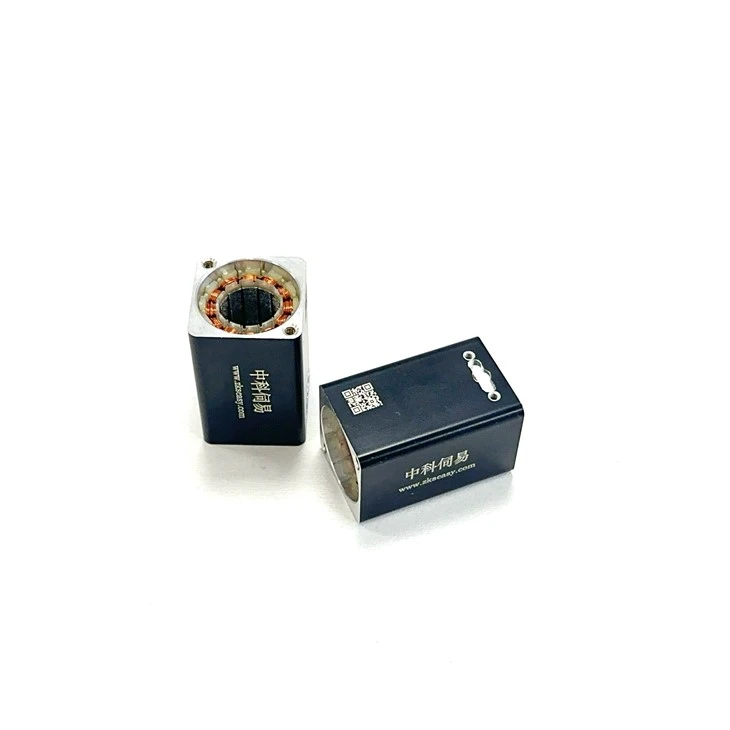
The Servo Motor Stator is a key component of the servo motor, responsible for generating the magnetic field that drives the motor's rotation. In harsh environments, the stator needs to be made of materials that are resistant to heat, corrosion, and mechanical stress. For example, a stator made of high-temperature-resistant materials can be used in high-temperature applications, while a stator with a corrosion-resistant coating can be used in corrosive environments.
Servo Motor Encoder Cable
The Servo Motor Encoder Cable is used to transmit signals between the encoder and the motor controller. In harsh environments, the encoder cable needs to be protected from damage to ensure accurate and reliable signal transmission. This can include the use of a cable with a high-quality insulation and shielding, as well as the use of a protective conduit or sleeve to prevent the cable from being damaged by abrasion, moisture, or chemicals.
Brake Cable
The Brake Cable is used to control the braking system of the servo motor. In harsh environments, the brake cable needs to be strong and durable to withstand the forces applied during braking. This can include the use of a cable with a high tensile strength and corrosion-resistant coating.
Conclusion
In conclusion, while servo motor parts are generally designed for normal industrial environments, many of them can be used in harsh environments with proper selection and protection. By considering factors such as material selection, sealing and protection, temperature management, vibration and shock resistance, and encoder and sensor protection, it is possible to ensure the performance and durability of servo motor parts in even the most challenging conditions.
As a supplier of servo motor parts, I am committed to providing high-quality products that are suitable for a wide range of applications, including harsh environments. If you have any questions or need assistance in selecting the right servo motor parts for your specific needs, please do not hesitate to contact me. I would be happy to discuss your requirements and provide you with the best solutions for your application.
References
- "Servo Motors and Drives: Fundamentals, Types, and Applications" by Peter Vas
- "Industrial Automation Handbook" by Thomas H. Lee
- Manufacturer's specifications and technical documentation for servo motor parts