

Hey there! As a supplier of low power servo motors, I often get asked about the weight of these little powerhouses. It's a fair question, especially when you're trying to figure out if a particular motor will fit into your project. So, let's dive into what the weight of a typical low power servo motor might be.
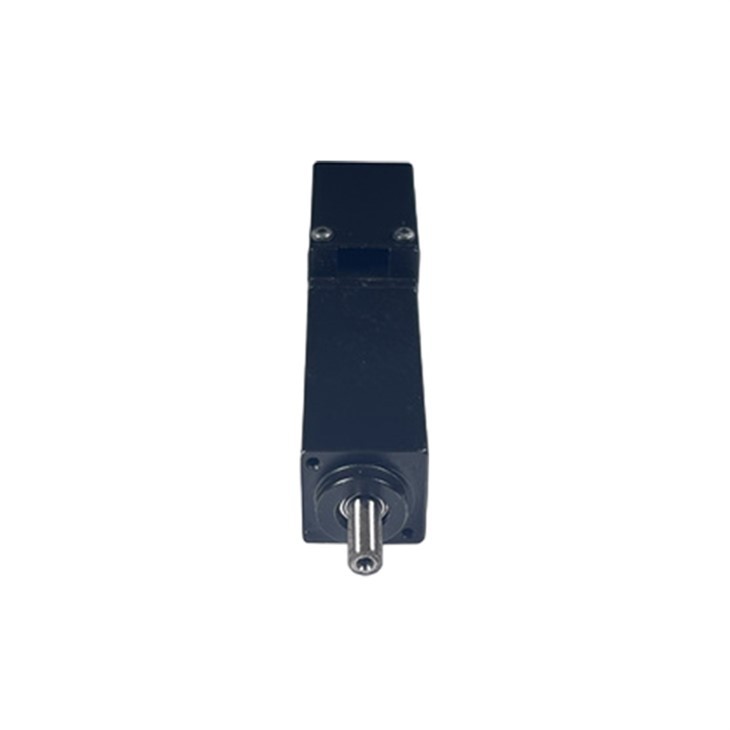

First off, what do we mean by "low power"? In the world of servo motors, low power generally refers to motors with power ratings in the single - digit or low double - digit wattage range. These motors are great for applications where you don't need a ton of force but still want precise control, like in small robotic arms, RC toys, or some medical devices.
Let's start with some of the motors we offer. We have a 30 Watt DC Motor. This motor is on the higher end of the low - power spectrum. The weight of this 30 - watt motor can vary depending on its design and construction. Typically, it weighs around 500 grams to 700 grams. The reason for this weight range is that different manufacturers might use different materials and have different internal configurations. For example, if a motor has a more robust gearbox or a larger housing to protect its components, it'll be on the heavier side.
Now, let's talk about our 3 Watt DC Motor(Products Under Development). Since it's a lower - power motor, you'd expect it to be lighter, and you'd be right. These motors usually weigh between 50 grams and 100 grams. They're designed to be small and lightweight, making them perfect for applications where every gram counts, like in small drones or handheld gadgets. Their small size also means they can be easily integrated into tight spaces without adding too much bulk.
Another motor in our lineup is the 5 Watt DC Motor. This motor strikes a balance between power and weight. It generally weighs around 150 grams to 250 grams. It's a bit more powerful than the 3 - watt motor, so it can handle slightly more demanding tasks, but it's still light enough to be used in many consumer and hobbyist projects.
The weight of a low - power servo motor is also affected by its internal components. The motor itself has a rotor, stator, and magnets. The type and size of these components can vary. For instance, if a motor uses neodymium magnets, which are very strong for their size, it might be lighter compared to a motor using ferrite magnets, which are larger and heavier for the same amount of magnetic force.
The gearbox is another factor. A high - quality gearbox can increase the torque output of the motor, but it also adds weight. Some low - power servo motors come with a simple plastic gearbox, which is lightweight but might not be as durable. Others have metal gearboxes, which are more robust but heavier.
When you're choosing a low - power servo motor for your project, the weight isn't the only thing to consider. You also need to think about the torque, speed, and accuracy of the motor. For example, if you're building a small robotic gripper, you need a motor that can provide enough torque to pick up objects but also be precise enough to control the grip strength.
Let's say you're working on an RC airplane. You want a lightweight motor so that it doesn't affect the plane's flight performance too much. But you also need a motor that can provide enough power to keep the plane in the air. In this case, a 3 - watt or 5 - watt motor might be a good choice, depending on the size and weight of the plane.
If you're into robotics, you might need a motor that can handle a bit more load. A 30 - watt motor could be ideal for a small robotic arm that needs to lift and move objects. The weight of the motor is important, but you can compensate for it by using lightweight materials in the rest of the arm's construction.
In conclusion, the weight of a typical low - power servo motor can range from as little as 50 grams for a 3 - watt motor to around 700 grams for a 30 - watt motor. There are many factors that influence this weight, including the power rating, internal components, and gearbox. When you're selecting a motor for your project, make sure to consider all these factors to find the best fit.
If you're interested in our low - power servo motors and want to discuss your project requirements or get a quote, feel free to reach out to us. We're here to help you find the perfect motor for your needs.
References
-
Servo Motor Handbook: A Guide to Understanding and Selecting Servo Motors.
-
Industry reports on low - power servo motor design and manufacturing.