

Hey there! As a supplier of Servo Motor Rotor, I often get asked about how to lubricate a servo motor rotor. It's a crucial part of maintaining these motors, so I'm here to share some tips and tricks.
Why Lubrication Matters
First off, let's talk about why lubricating a servo motor rotor is so important. Servo motors are used in a wide range of applications, from industrial machinery to robotics. The rotor is the rotating part of the motor, and it needs to move smoothly to ensure the motor functions properly. Without proper lubrication, the rotor can experience increased friction, which can lead to wear and tear, overheating, and even motor failure.
Lubrication helps to reduce friction between the moving parts of the rotor, allowing it to spin more freely. This not only improves the performance of the motor but also extends its lifespan. It can also help to prevent noise and vibration, which can be a sign of a problem with the motor.
Choosing the Right Lubricant
The first step in lubricating a servo motor rotor is choosing the right lubricant. There are several factors to consider when making this decision.
- Viscosity: The viscosity of the lubricant is important. It needs to be thick enough to stay in place and provide adequate lubrication but not so thick that it causes drag on the rotor. A lubricant with the wrong viscosity can actually do more harm than good.
- Temperature Range: Servo motors can operate in a variety of temperatures. You need to choose a lubricant that can withstand the temperature range of your specific application. Some lubricants are designed for high-temperature environments, while others are better suited for low temperatures.
- Compatibility: Make sure the lubricant is compatible with the materials used in the servo motor. Some lubricants can react with certain metals or plastics, causing damage to the motor.
Preparing the Motor for Lubrication
Before you start lubricating the servo motor rotor, you need to prepare the motor.
- Turn Off the Power: This is the most important step. Make sure the power to the motor is completely turned off to avoid any electrical hazards.
- Clean the Motor: Use a clean, dry cloth to remove any dirt, dust, or debris from the motor. Pay special attention to the area around the rotor. You can also use a mild solvent to clean the motor, but make sure it's completely dry before you start lubricating.
Lubricating the Rotor
Now that you've chosen the right lubricant and prepared the motor, it's time to lubricate the rotor.
- Locate the Lubrication Points: Some servo motors have specific lubrication points marked on the motor. These are usually small holes or ports where you can apply the lubricant. If your motor doesn't have marked lubrication points, you may need to refer to the manufacturer's manual to find out where to apply the lubricant.
- Apply the Lubricant: Use a small syringe or a lubrication gun to apply a small amount of lubricant to the lubrication points. Be careful not to over-lubricate, as this can cause the lubricant to leak out and attract dirt and debris.
- Rotate the Rotor: After applying the lubricant, gently rotate the rotor by hand a few times to distribute the lubricant evenly. This will help to ensure that all the moving parts are properly lubricated.
Post-Lubrication Checks
Once you've lubricated the rotor, it's important to perform some post-lubrication checks.
- Inspect for Leaks: Check the motor for any signs of lubricant leaks. If you notice any leaks, clean them up immediately and check to make sure you didn't over-lubricate.
- Test the Motor: Turn on the power to the motor and test it to make sure it's running smoothly. Listen for any unusual noises or vibrations, which could indicate a problem.
Other Servo Motor Components
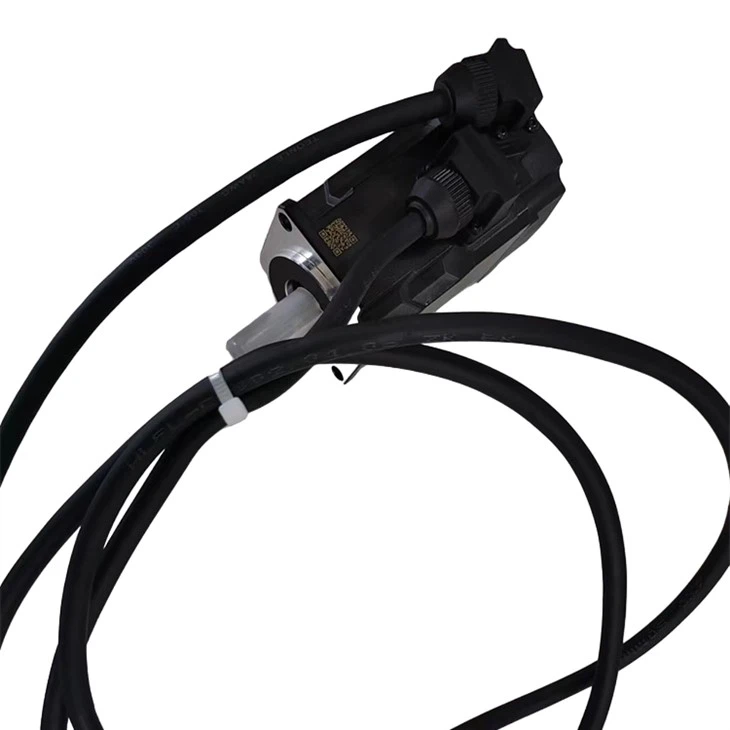
While we're on the topic of servo motors, it's worth mentioning some other important components. If you're looking for Servo Motor Extension Cable, Servo Motor Plug, Servo Motor Encoder Cable, or Brake Cable, we've got you covered. These components are essential for the proper functioning of your servo motor, and we offer high-quality options to meet your needs.

Conclusion and Call to Action
Lubricating a servo motor rotor is a relatively simple process, but it's an important one. By following these steps, you can ensure that your servo motor runs smoothly and efficiently for a long time.
If you're in the market for a Servo Motor Rotor or any of the other components I mentioned, feel free to reach out. We're here to help you find the right products for your application and provide you with the support you need. Whether you're a small business or a large industrial operation, we've got the expertise and the products to meet your requirements.
References
- Servo Motor Handbook, various editions
- Manufacturer's manuals for servo motors