

Alright, folks! Today, I wanna chat about the magnetic field of a servo motor rotor. As a supplier of Servo Motor Rotor, I've seen firsthand how important this little piece of tech is in the world of servo motors. So, let's dive right in!
What's a Servo Motor Rotor Anyway?
Before we get into the magnetic field, let's quickly talk about what a servo motor rotor is. In simple terms, it's the rotating part of a servo motor. The motor has two main parts: the stator (the stationary part) and the rotor. The rotor spins inside the stator, and this rotation is what makes the motor do its job. Whether it's moving a robotic arm, adjusting the position of a camera, or controlling the speed of a conveyor belt, the servo motor rotor is at the heart of the action.

The Magic of the Magnetic Field
Now, let's get to the good stuff - the magnetic field of the servo motor rotor. The magnetic field is like the secret sauce that makes the rotor spin. It's created by the interaction between the electrical current flowing through the motor's windings and the permanent magnets in the rotor.
When an electrical current passes through the windings in the stator, it creates a magnetic field. This magnetic field then interacts with the magnetic field of the permanent magnets in the rotor. According to the laws of electromagnetism, opposite magnetic poles attract each other, and like poles repel. So, the magnetic fields push and pull on each other, causing the rotor to rotate.
The strength and direction of the magnetic field in the rotor are crucial for the motor's performance. If the magnetic field is too weak, the motor won't have enough power to turn the load. If it's too strong, it can cause overheating and other problems. And the direction of the magnetic field determines which way the rotor spins.
How We Make Sure Our Servo Motor Rotors Have the Right Magnetic Field
As a supplier, we take the magnetic field of our servo motor rotors very seriously. We use high-quality permanent magnets in our rotors to ensure a strong and stable magnetic field. These magnets are carefully selected and tested to make sure they meet our strict standards.
We also pay close attention to the design of the rotor. The shape and size of the rotor can affect the distribution of the magnetic field. We use advanced computer simulations to optimize the design and make sure the magnetic field is evenly distributed. This helps to improve the efficiency and performance of the motor.
In addition, we have a rigorous quality control process in place. Every rotor we produce is tested to make sure it has the right magnetic field strength and direction. We use specialized equipment to measure the magnetic field and make any necessary adjustments.
The Role of Other Components in the Magnetic Field
The magnetic field of the servo motor rotor doesn't work in isolation. It interacts with other components in the motor, such as the stator windings and the motor's control system.
The stator windings are responsible for creating the magnetic field that interacts with the rotor's magnetic field. The design and configuration of the windings can affect the strength and shape of the magnetic field. We work closely with our customers to understand their specific requirements and design the stator windings accordingly.
The motor's control system is also important. It regulates the electrical current flowing through the stator windings, which in turn controls the strength and direction of the magnetic field. A well-designed control system can optimize the performance of the motor and ensure that the rotor rotates smoothly and accurately.
Related Components for Servo Motors
When it comes to servo motors, the rotor is just one part of the equation. There are several other components that are essential for the motor to work properly. Here are some of the key components and their importance:
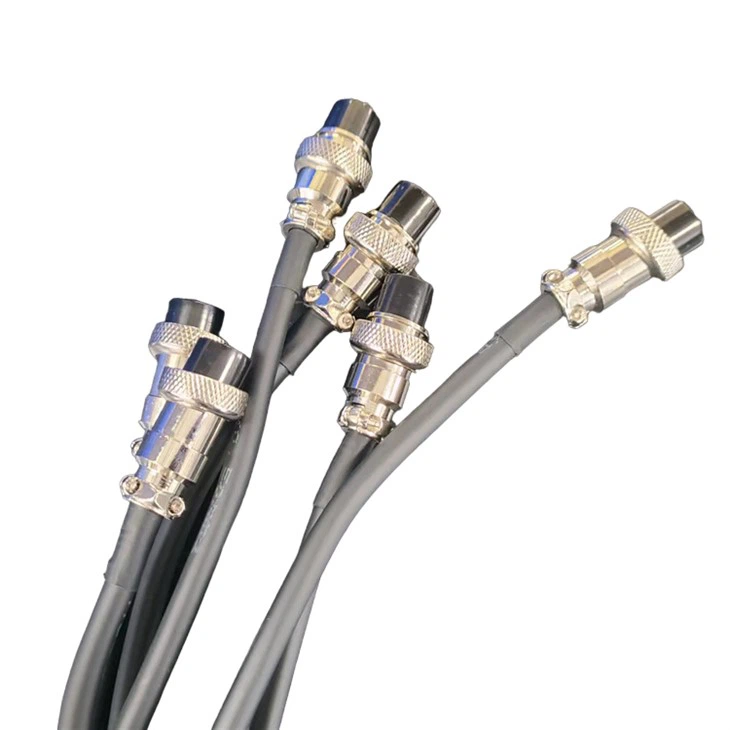
- Servo Motor Plug: This is the connector that allows the motor to be plugged into the power source and control system. A good quality plug ensures a secure and reliable connection, which is crucial for the motor's performance.
- Servo Motor Power Cable: This cable carries the electrical power from the power source to the motor. It needs to be able to handle the current and voltage requirements of the motor without overheating or losing power.
- Servo Motor Encoder Cable: The encoder is a device that measures the position and speed of the rotor. The encoder cable carries the signals from the encoder to the control system. A high-quality encoder cable ensures accurate feedback, which is essential for precise motor control.
- Brake Cable: Some servo motors have a brake that can be used to stop the rotor quickly. The brake cable carries the electrical signals to activate and deactivate the brake.
Why Choose Our Servo Motor Rotors?
So, why should you choose our servo motor rotors? Well, there are several reasons.
First of all, we have a lot of experience in the industry. We've been supplying servo motor rotors for many years, and we've learned a lot about what makes a good rotor. We use the latest technology and manufacturing processes to ensure that our rotors are of the highest quality.
Second, we offer a wide range of rotors to meet different customer needs. Whether you need a small rotor for a precision application or a large rotor for a high-power motor, we've got you covered. We can also customize our rotors to meet your specific requirements.
Third, we provide excellent customer service. Our team is always ready to answer your questions and help you find the right rotor for your application. We also offer technical support and after-sales service to ensure that you're satisfied with your purchase.
Let's Talk Business!
If you're in the market for servo motor rotors or any of the related components I mentioned earlier, I'd love to hear from you. Whether you have a specific project in mind or just want to learn more about our products, don't hesitate to reach out. We're here to help you find the best solutions for your needs.
References
- "Electric Machinery Fundamentals" by Stephen J. Chapman
- "Servo Motors and Industrial Control Theory" by Peter C. Sen